

2500+ Projects Completed Nationwide

Siding Repair in Pittsburgh: Cost, Estimates & What to Expect

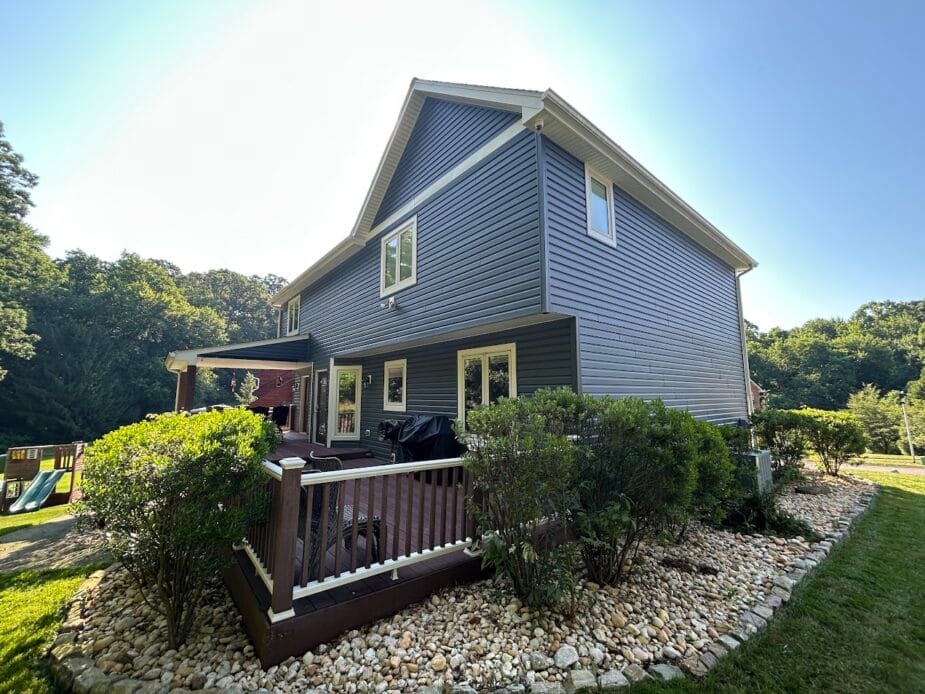
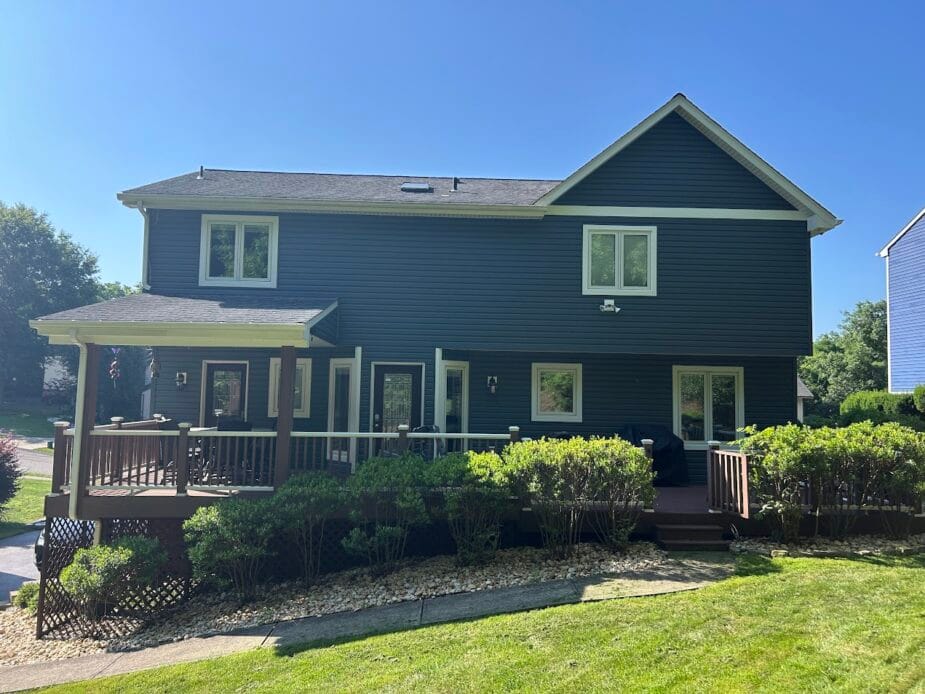
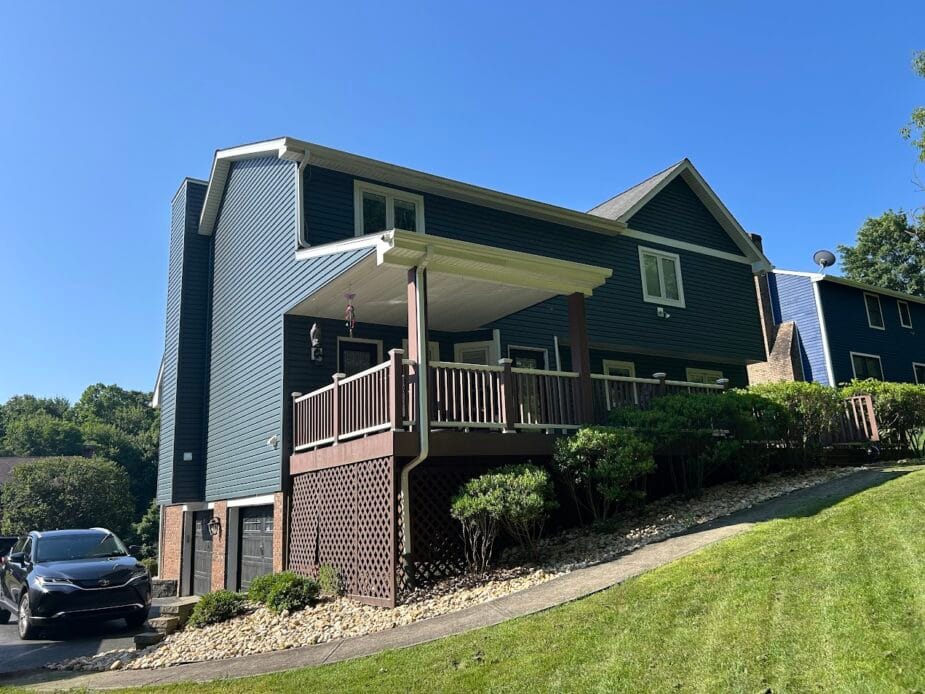
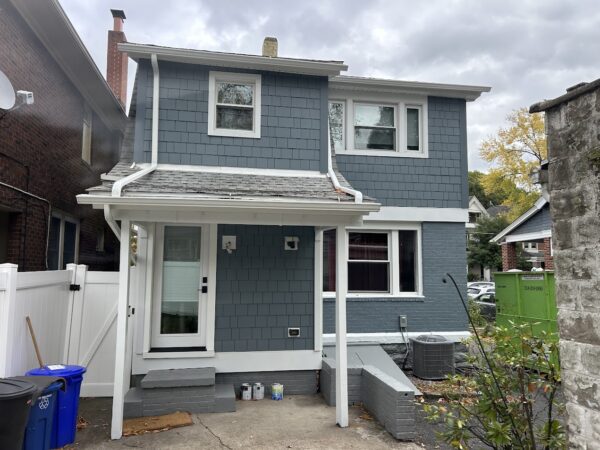
Ideal Siding restores cracked, loose, and weather-worn siding throughout Pittsburgh, from hillside homes in Brookline to classic foursquares in Squirrel Hill and Mt. Lebanon. Pittsburgh’s freeze-thaw winters and heavy spring storms are hard on exterior cladding, so whether you’re dealing with a single buckled board or a whole wall of hail damage, our team pinpoints the cause, gives you a clear quote before any work begins, and completes the repair correctly the first time.

Get a free expert assessment today!

Pittsburgh House Siding Repair Done Right, Backed by Local Experience

Pittsburgh houses take a beating. Moisture rising off the three rivers, repeated freeze-thaw swings from November through March, heavy wet snow, and runoff pouring down the city’s steep hillsides all wear siding down in the same vulnerable areas: along the bottom courses, around windows and trim, and at joints where water collects. Ideal Siding has repaired homes across Pittsburgh through all of it, so you get more than a one-size-fits-all estimate. You get a crew that understands how a hillside house on Mt. Washington, a Victorian in the North Side, and a postwar ranch in Penn Hills each break down in their own way, and knows how to fix them to last.

  • Licensed & insured in Pennsylvania PA Home Improvement Contractor Registration: PA190000
  • Local Pittsburgh Team at 161 N Jamestown Rd, Coraopolis, PA
  • Full range of materials: vinyl, aluminum, fiber cement, cedar, engineered wood, and metal
  • Workmanship + material warranty on every install

Signs You Need House Siding Repair

A damaged board doesn’t automatically mean you need all-new siding. Here are the issues Pittsburgh homeowners most often call Ideal Siding to repair:

Open Joints and Separated Corners

Gives rain and melting snow a path inside the wall, where it can cause hidden damage

Bulging or Wavy Panels

Usually a sign that moisture or summer heat has worked its way behind the siding

Gaps at seams or corners

Lets water behind the siding, where the real damage happens

Uneven or Patchy Color

Often means an earlier repair used siding that didn’t match the rest of the house

Mildew, Green Staining, or Damp Odors

Suggests moisture is getting trapped, especially on shaded sides and hillside walls

Soft or Crumbling Boards

Indicates rot beneath the surface, frequently found on the older wood siding common in Pittsburgh homes

Can Damaged Siding Be Repaired?

Yes — in most cases, damaged siding can be repaired without replacing the whole wall. Isolated problems like a cracked panel, a small hole, a warped board, or a gap at a seam are typically spot-repaired or panel-replaced in a single visit, and a good contractor can color-match new material closely enough that the repair isn’t noticeable from the street.

Repair is usually the right call when:

  • The damage is limited to one or two panels or a small section
  • The underlying wall sheathing is dry and solid
  • The siding material is still manufactured (or a close match is available)
  • The rest of the siding is in reasonably good condition

Full replacement becomes the smarter option when damage is widespread, the siding is original to a much older home and brittle throughout, or there’s rot in the sheathing behind the siding — patching over a structural problem just delays a bigger repair. During your free inspection, we’ll tell you plainly which category your home falls into and price both options so you can decide.

Siding Repair Cost in Pittsburgh

Siding repairs in the Pittsburgh area typically fall between about $200 and $1,500. Bigger or more involved projects, particularly those where water damage or rot has set in, can reach $2,000 to $5,000 or more. Three main things determine what you’ll pay:

Type of siding: Vinyl tends to be the most affordable to repair. Wood, fiber cement, brick, and stone repairs cost more because of higher material prices and more specialized labor.

How far the damage goes: Replacing one cracked board is fast and simple. When the problem involves rot, mildew, or moisture inside the wall, the job takes more time and budget because our crew fixes the source of the damage, not just the surface.

Accessibility: Pittsburgh’s steep lots, narrow gaps between neighboring houses, and tall two- and three-story homes can make some sections harder to reach, which can add labor time.
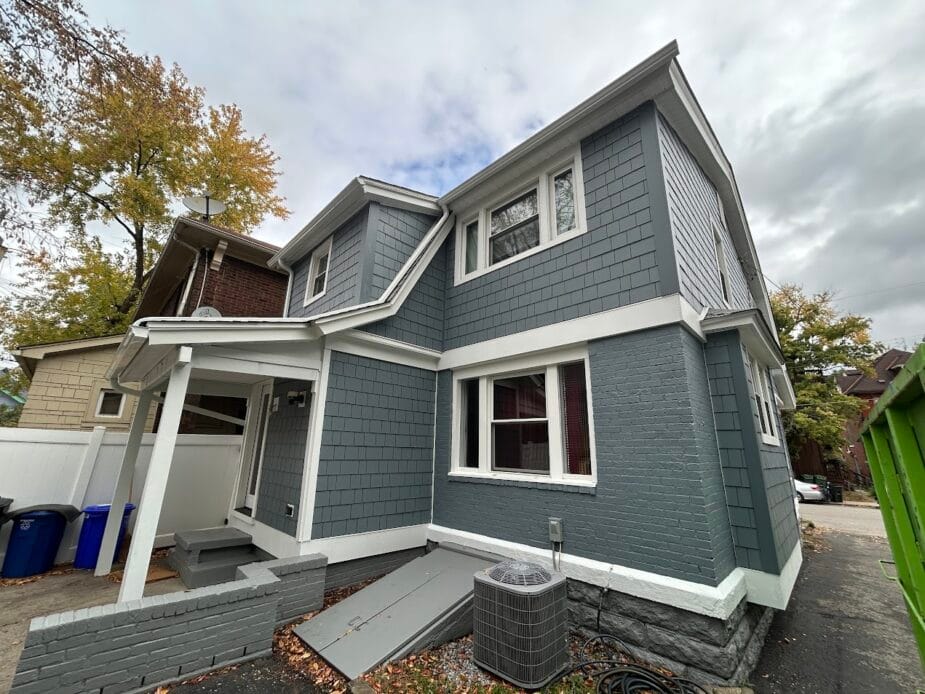
The only way to give you an accurate number is to see the damage in person. That’s why every Ideal Siding quote is done on-site and provided in writing before we start. The price we agree on is the price you pay, with no unexpected charges added later.

Do You Need a Permit to Replace Siding in Pittsburgh?

Do I need a permit to repair siding in Pittsburgh?

It depends on the scope of the work. Within city limits, construction permits are handled by the Department of Permits, Licenses, and Inspections (PLI) through the OneStopPGH portal, where building and zoning approvals are now combined into a single Building and Development Application (BDA). The city exempts “ordinary repairs” from this process, but a larger siding project will generally need approval.

Here’s how that typically plays out:

  • Full re-siding or large-scale replacement isn’t on the city’s list of exempt work, so it will usually require a BDA.
  • Small spot repairs, like swapping out a single cracked board or patching a limited area, may fall under the ordinary repair exemption. The final call belongs to the city’s Building Code Official, not the homeowner or contractor.
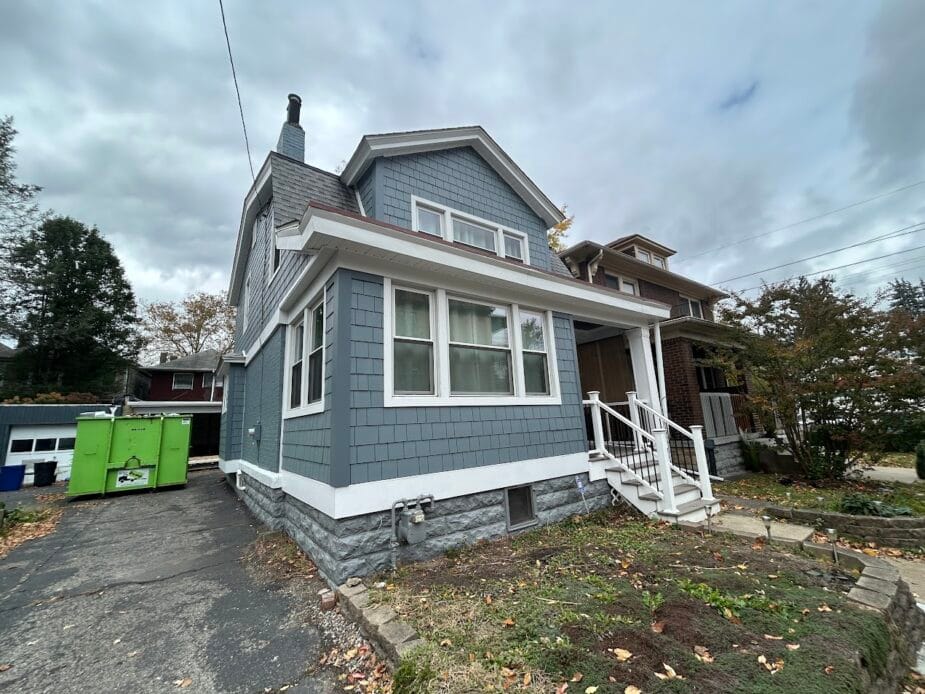
  • Homes in historic districts, such as the Mexican War Streets, Deutschtown, or parts of the South Side, need zoning and historic review for any exterior work, even minor changes.
  • Electrical work tied to a siding job, such as relocating or adding exterior wiring, is not considered an ordinary repair and requires its own permit.
  • Suburban homes in communities like Mt. Lebanon, Bethel Park, or Ross Township fall under their own municipal code offices, and requirements can differ from the city’s.

Since the line between a simple repair and permitted work isn’t always clear, Ideal Siding confirms requirements with the right office before beginning any project that might need approval. You’ll never be stuck with an unpermitted repair. Just ask during your estimate and we’ll let you know exactly what your project requires.

What Pittsburgh Homeowners Say About Ideal Siding

Pittsburgh Neighborhoods We Serve

  • Bellevue
  • Brentwood
  • Carnegie
  • Dormont
  • Emsworth
  • Fox Chapel
  • Imperial
  • Kennedy Township
  • Monroeville
  • Mt. Lebanon
  • Munhall
  • North Versailles
  • Oakdale
  • Penn Hills
  • Pittsburgh
  • Pleasant Hills
  • Scott Township
  • Swissvale
  • Verona
  • West Mifflin
  • Wilkinsburg

FAQ

Our team is always available to assist and provide further details tailored to your specific needs.

What does siding repair cost in Pittsburgh?

Most Pittsburgh-area siding repairs range from about $200 to $1,500, depending on your siding type and the extent of the damage. Jobs involving rot or moisture inside the wall can reach $2,000 to $5,000 or more. We’ll give you an exact price after a free in-person inspection.

Can I fix damaged siding without replacing the whole wall?

Usually, yes. Cracks, holes, and warped boards confined to one area can typically be handled with a targeted repair or by swapping out the affected pieces. A full wall replacement is only needed when the damage covers a large area or the sheathing and framing behind the siding have started to rot.

Is a permit required for siding work in Pittsburgh?

It depends on the scope. In the City of Pittsburgh, most construction requires a Building and Development Application through PLI’s OneStopPGH portal, but ordinary repairs like replacing a few damaged boards are generally exempt. Larger replacements, any exterior work in a historic district, and jobs involving electrical wiring typically need approval. Suburban municipalities have their own rules, so we confirm requirements before starting.

How long will my siding repair take?

Small repairs, like replacing a single board or a limited section, are usually finished in one day. Bigger jobs, or repairs that reveal rot underneath, generally take two to three days depending on what we find once the siding comes off.

Will new siding blend in with my existing siding?

We source the closest possible match in material, profile, and color. Older siding naturally fades from years of sun and weather, so a slight difference may be unavoidable on aging exteriors. If that’s likely on your home, we’ll let you know before any work begins.

Will my homeowners insurance pay for siding repairs?

Coverage usually comes down to what caused the damage. Sudden events like hail, windstorms, or falling limbs are frequently covered, while wear from age or lack of maintenance generally isn’t. If your damage is storm-related, we can supply photos and documentation to help with your claim.

Siding repair vs. replacement: what's the difference?

A repair fixes only the damaged areas and leaves the rest of your siding intact, making it quicker and more affordable. Replacement strips and re-sides the entire house, which is the better option when damage is widespread, your siding style is no longer made, or the material has reached the end of its typical 20 to 40 year lifespan.

Should I repair or replace my siding?

A good guideline: if roughly 20 to 25 percent or less of your siding is damaged and the wall beneath is solid and dry, repair is typically the smart choice. If you’re seeing problems on several sides of the house or finding more rot the closer you look, replacement often saves money over time. Our free inspection will tell you honestly which option fits your home.

Book a Free Consultation
and Estimate

After completing over 1000 projects, we’ve seen it all when it comes to siding.

Please get in touch to get your complimentary quote on a siding job today!

Or call now

(604) 239-2898

The information you provide will only be used by our team and will not be sold to another party.