

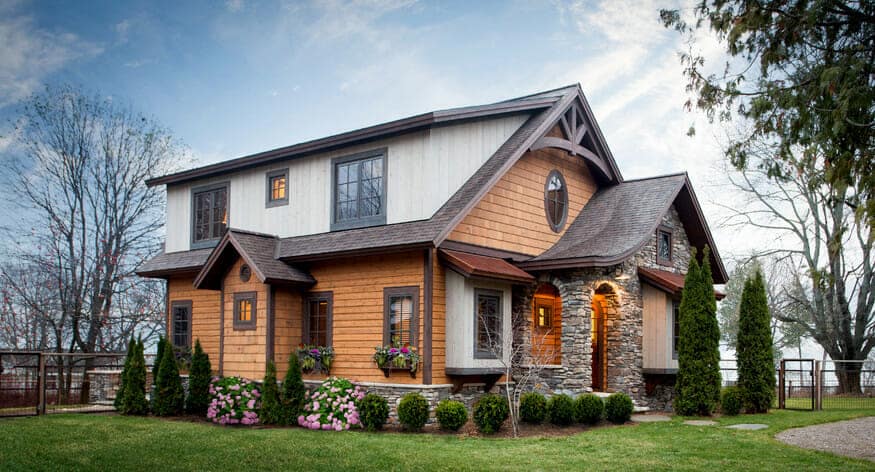
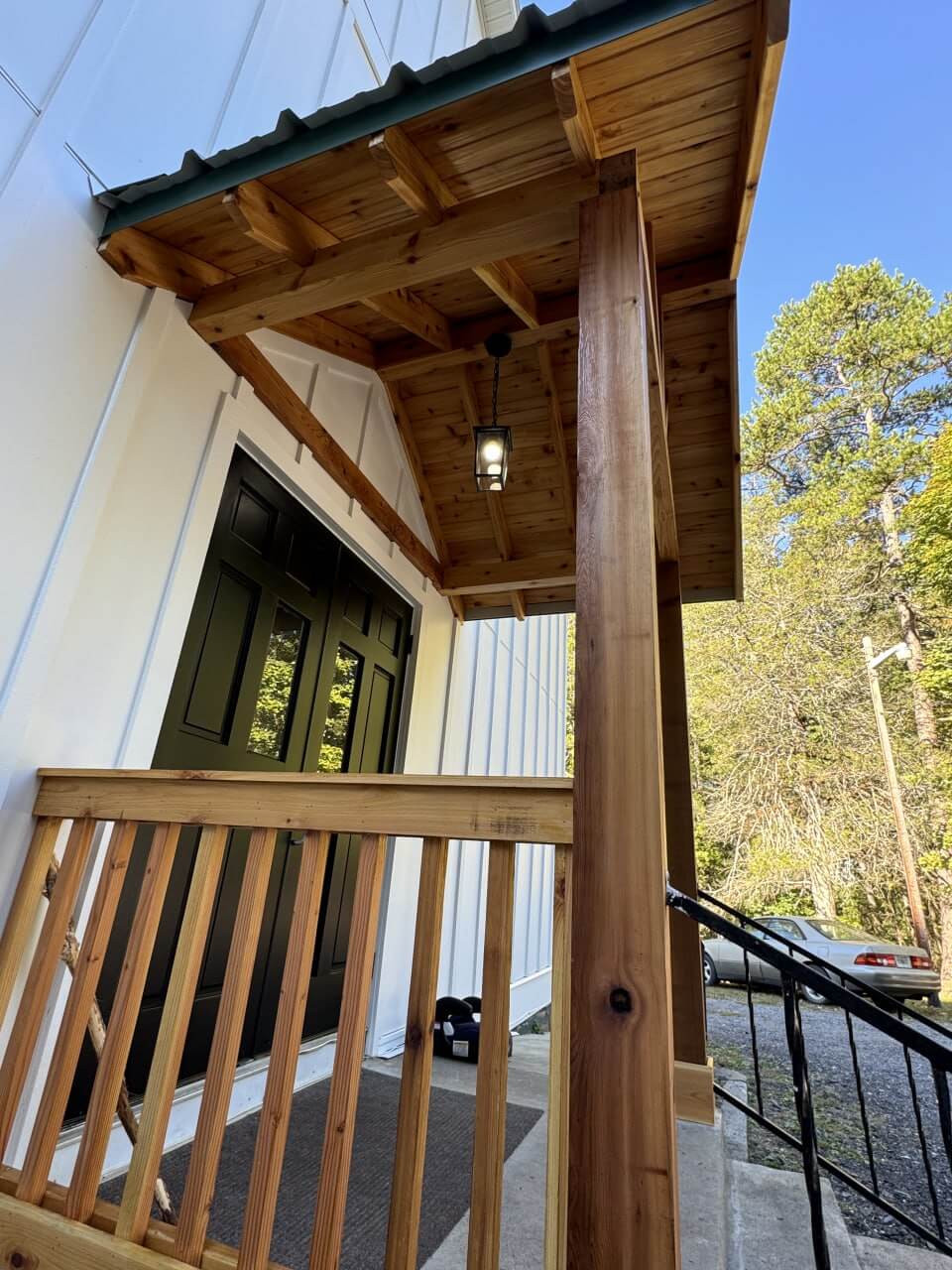
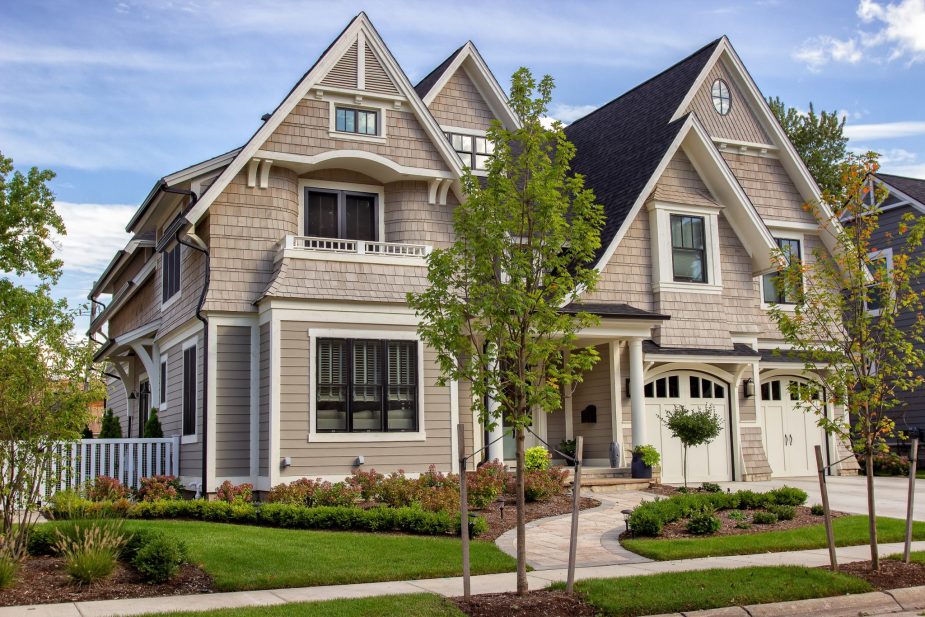
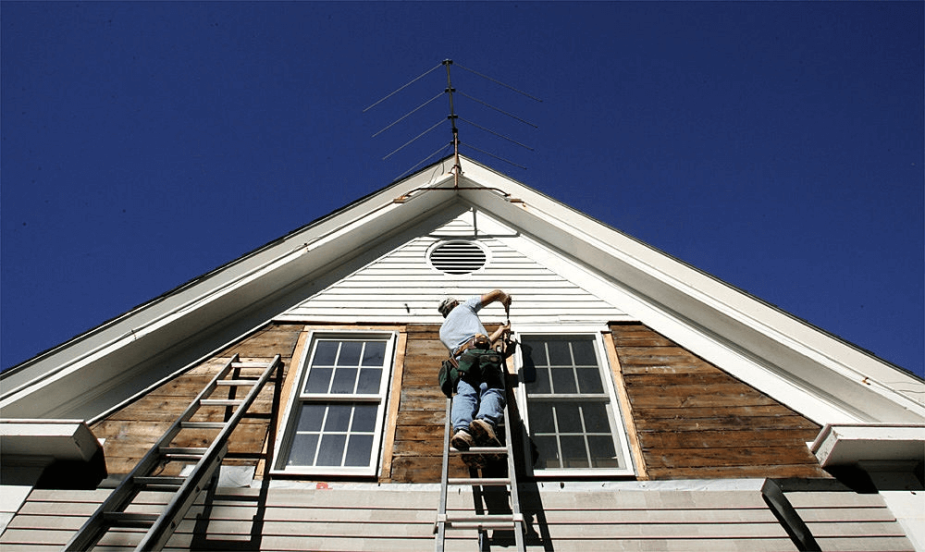
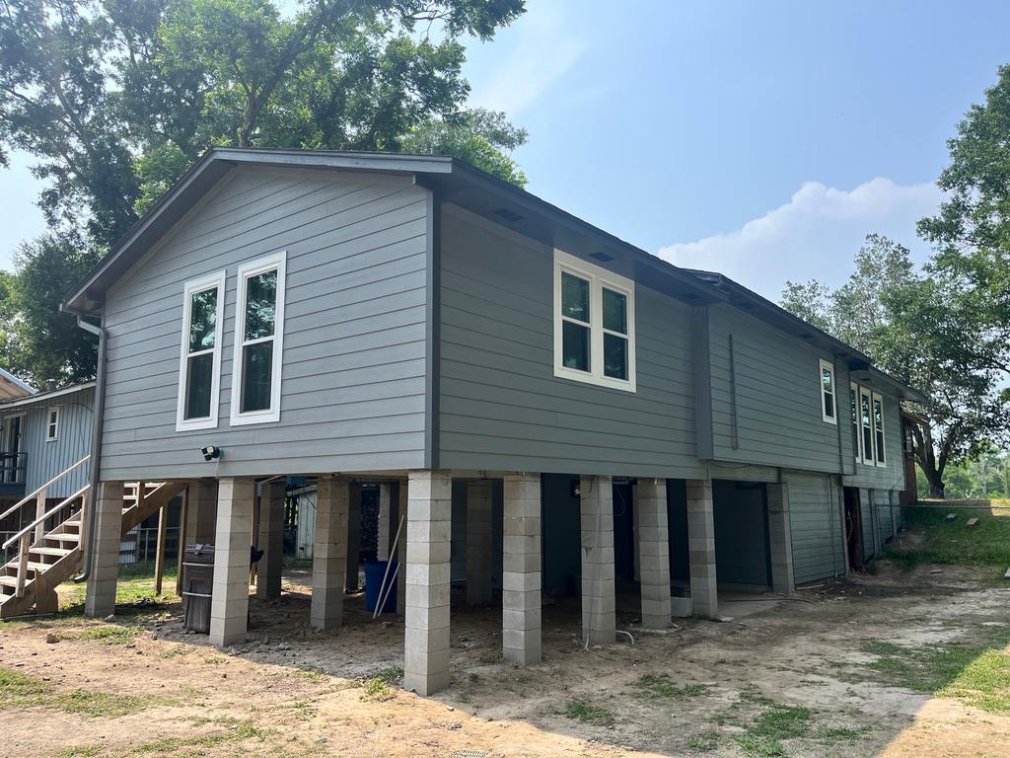
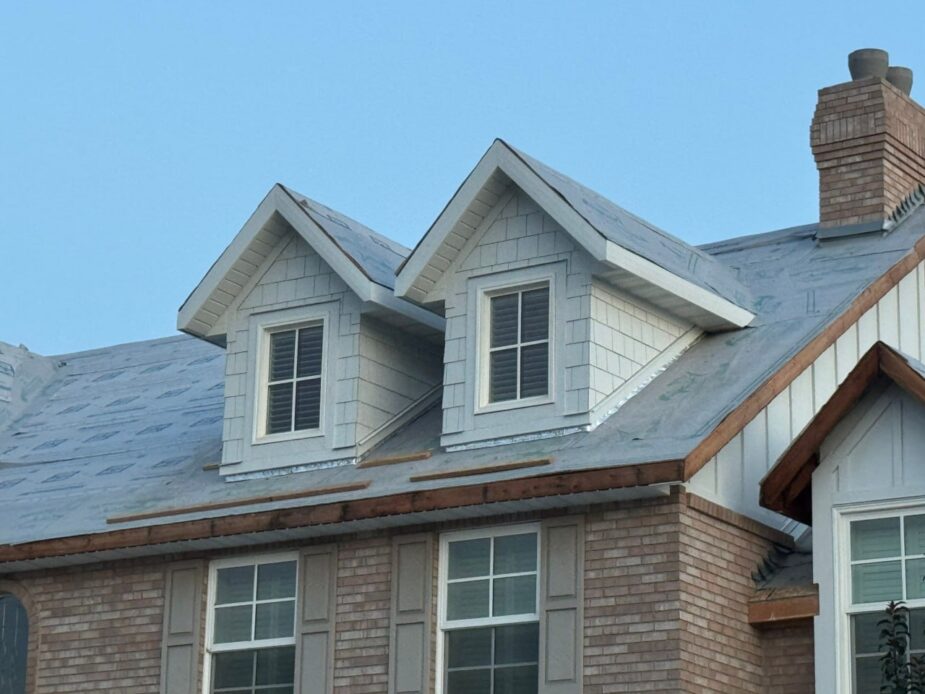
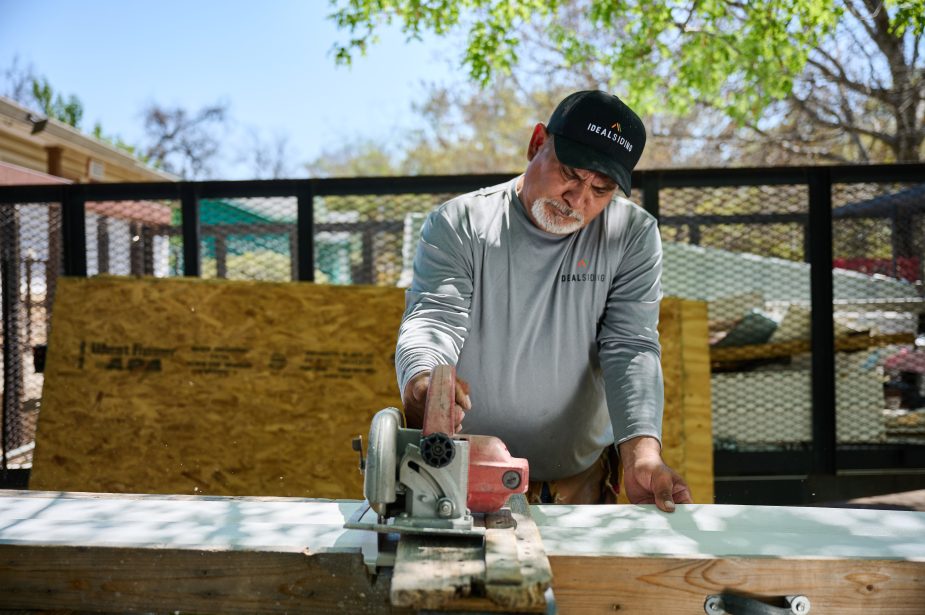
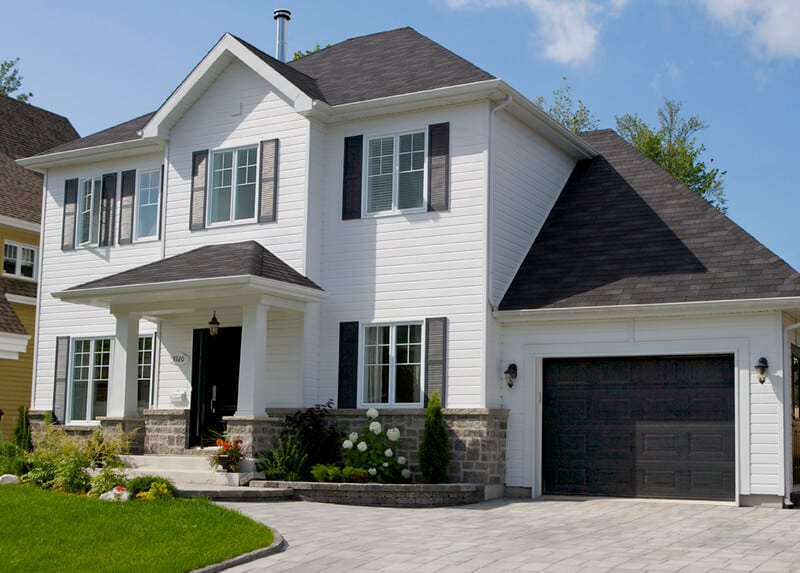
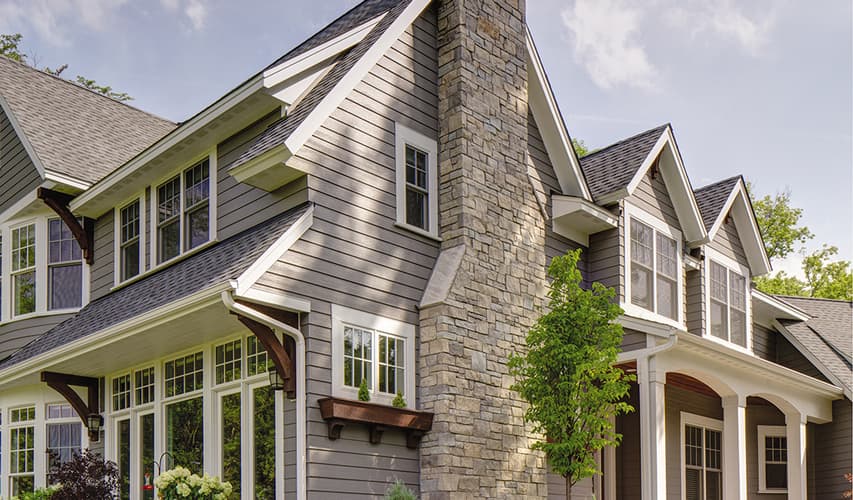
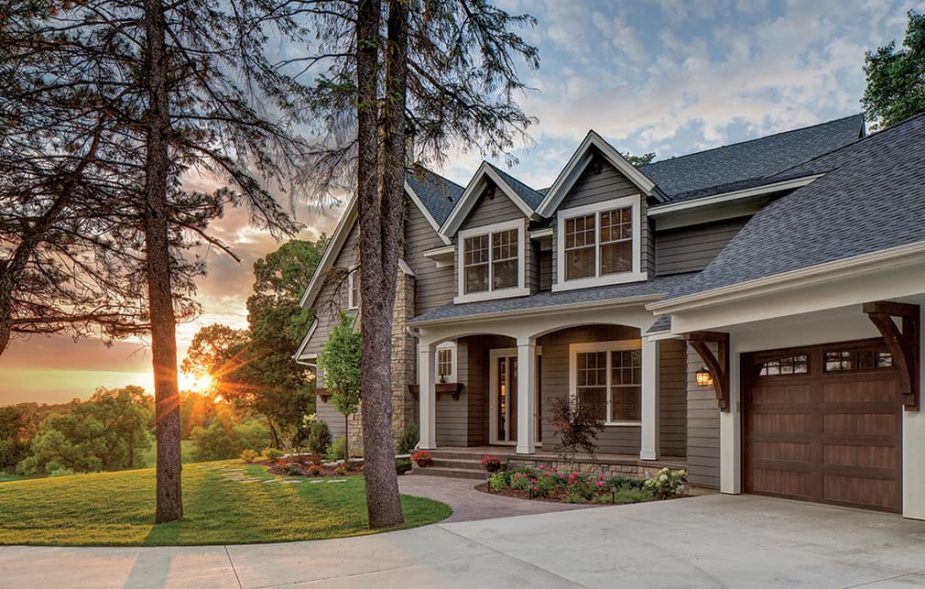
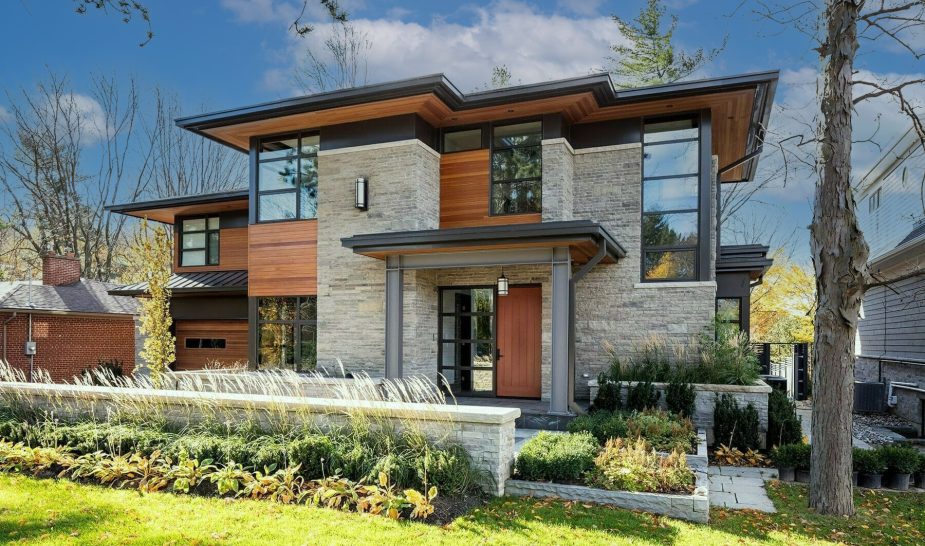
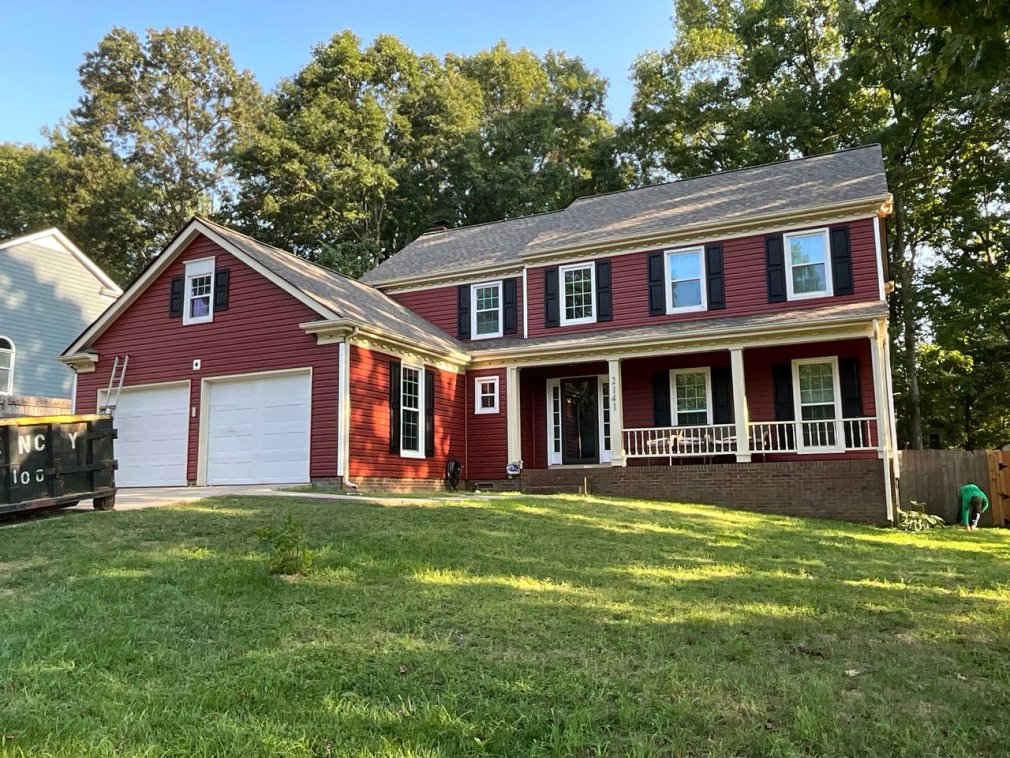
Seattle’s mix of century-old Craftsman bungalows, Tudor revivals, and mid-century homes in neighborhoods like Ballard, Queen Anne, Wallingford, and West Seattle calls for a siding material that fits the character of the Pacific Northwest — and nothing does that quite like cedar. As the wood native to this region, Western Red Cedar and Yellow Cedar aren’t just a stylistic choice here; they’re practically a regional building tradition.
Cedar siding installation offers the following advantages:

Natural Thermal and Sound Insulation
Cedar’s cellular structure gives it natural thermal and sound insulation, helpful for homes near busy corridors like Aurora Ave or the I-5 corridor.

Pest Resistance
The same oils that repel moisture also make cedar naturally unappealing to insects — a real advantage in the wooded, tree-lined neighborhoods common throughout Seattle.

Sustainability
As a renewable, biodegradable material sourced regionally, cedar tends to appeal to Seattle’s environmentally conscious homeowners.

Aesthetic fit.
Cedar’s warm, natural grain complements the region’s craftsman and mid-century architecture in a way that vinyl or fiber cement often can’t match.

Natural Moisture Resistance
Cedar’s natural oils resist rot and decay, which matters in a city that sees rain most months of the year.

Longevity with Upkeep
Properly maintained cedar siding can last well past 50–75 years, and many older Seattle homes still wear their original cedar siding today.
Bevel siding (bevel lap, clapboard) is made by resawing lumber at an angle, producing two tapered boards from one — thick on one edge, feathering to thin on the other. In cross-section each board is a wedge. Boards install horizontally, each course’s thick bottom edge overlapping the thin top edge below, shedding water and creating a signature shadow-line look common on colonial and Victorian homes.
Clapboard comes from the Dutch klapholt (“split wood”) — boards were originally riven from logs, leaving a tapered edge; sawn versions later kept the name, now near-interchangeable with “bevel siding.” Installed horizontally, each course overlaps the one below by about an inch, shedding water down the wall face and creating the classic horizontal shadow-line look of Cape Cod and colonial homes. Cedar is preferred for its rot and insect resistance, light weight, and stability.
Log cabin siding gets its name from its thick, often D-shaped or curved profile, which mimics stacked, hewn logs once installed. Boards are milled with tongue-and-groove edges, installed horizontally course by course, giving real dimensional shadow at a fraction of the weight and cost of true log construction. Cedar suits it well thanks to natural rot/insect resistance, light weight, easy milling into curved profiles, and attractive weathering. It’s popular for country cottages, cabins, pool houses, ski lodges, and rustic commercial buildings — offering an authentic log-cabin look without the structural cost of real logs.
Shiplap uses a rabbeted edge so boards fit flush together with a small reveal, unlike the sloped overlap of bevel siding. This joint works equally well horizontally or vertically, allowing flexible layouts — even mixing directions on the same facade for a custom look. The flush seams give it a cleaner, more modern edge than bevel siding’s deep shadow lines, while exposed board lines keep it feeling rustic. Commonly milled from cedar, pine, or fir, plus engineered wood and fiber cement. Since it lacks overlap, proper sealing at joints matters more to keep water out.
Tongue and groove siding features a protruding edge (tongue) on one side of each board that fits into a matching slot (groove) on the next, creating a tight, interlocking seam. This joint conceals fasteners, resists water infiltration, and allows boards to expand and contract without gapping or warping. It can be installed horizontally, vertically, or diagonally for varied aesthetic effects. Cedar is a popular choice for this profile due to its natural resistance to rot, decay, and insects, along with its light weight and dimensional stability. It offers a clean, seamless look with subtle shadow lines, suited to both rustic and modern exteriors.
Board and batten consists of wide flat boards installed vertically, with narrower strips (battens) covering the seams between them. This alternating pattern creates a distinctive rhythm of wide and narrow lines, giving walls a strong vertical emphasis and a clean, structured look. The battens conceal gaps caused by wood expansion and contraction, helping prevent water infiltration while adding visual texture. Traditionally used on barns and farmhouses, it’s now popular on modern and rustic-style homes alike. Cedar and pine are common material choices, valued for durability and their ability to take paint or stain well while resisting warping over time.
Cedar shingles are uniformly sawn wood pieces that create a smooth, even texture across a roof or wall surface, unlike the rough variation of shakes. They’re sometimes left natural to weather to a soft gray, but are more often painted or stained for color consistency and added protection. Common subtypes include pattern shingles (cut into decorative shapes like fish-scale or diamond), round edge (curved bottom for a softened look), staggered (irregular coursing for a textured, rustic effect), and straight edge (uniform lines for a clean, traditional finish). Cedar’s natural durability makes it a lasting, versatile roofing and siding choice.
Shakes are typically split (rather than sawn) from cedar blocks, which is why each piece has a slightly irregular, textured face compared to the uniform look of shingles. This rougher, more rustic grain adds visual depth and shadow across a roof or wall. Because shakes are thicker and made from higher-grade wood, they hold up better to weather, impact, and UV exposure, often lasting several decades longer than shingles. Common types include hand-split, taper-split, and straight-split shakes, each varying in thickness and texture. They’re a popular choice for rustic, high-end, or traditional homes seeking a heartier, longer-lasting roof or siding.
Cedar performs beautifully here, but the Pacific Northwest’s damp conditions mean it needs a bit more attention than it would in a drier climate:
Seattle’s shaded, north-facing walls — especially those tucked under mature Douglas firs or cedars — stay damp longer than sun-exposed walls, which creates ideal conditions for moss and algae to take hold. Left unchecked, this buildup traps moisture against the wood and can accelerate rot. A soft wash once or twice a year (avoiding high-pressure spray, which can drive water behind the boards) keeps growth in check without damaging the finish.
Stain and sealant act as cedar’s first line of defense against moisture, and Seattle’s wet season puts real wear on that finish. Semi-transparent stains typically need reapplying every 2–3 years here, while higher-build solid stains or paint can stretch to 5–7 years. Skipping a cycle doesn’t ruin the siding overnight, but it does shorten the wood’s life — a good rule of thumb is to check the finish each spring, before the next wet season sets in.
Cedar needs to breathe. A rainscreen gap — a small air space between the siding and the weather-resistant barrier — lets any moisture that does get past the boards dry out instead of sitting against the wall assembly. This detail matters more in Seattle, since the wood rarely gets a long enough dry stretch to fully release trapped moisture on its own. It’s worth confirming with your installer that this gap is built into the assembly, not just the siding itself.
Cedar lasts longest when water is actively directed away from it rather than left to run down the wall face. Well-maintained gutters, properly overlapped flashing at windows and rooflines, and grading that slopes away from the foundation all reduce the amount of standing water and splash-back cedar has to contend with. This is especially relevant on older Seattle homes where original flashing details may have shifted or degraded over the decades.
On average, a cedar siding installation project in Seattle costs $13.00 per sq. ft. We guarantee that all work will be completed professionally and comprehensively:
| Our crews complete cedar siding installation on time while fully complying with installation best practices and your design preferences. | We carefully take Seattle’s weather conditions into account during installation to ensure the best result and extend the lifespan of your cedar siding. |
Call us to request a free estimation:
+1-253-785-3775
+1-8-555-SIDING
Or send an e-mail:
info@idealsiding.com
Fill out this form and we will get in touch with you within one business day to discuss your project and answer your questions
The information you provide will only be used by our team and will not be sold to another party.